Everyday Foods That Contain Electrolytes
Picture a grocery run on a Saturday morning. Cart half full, you pause in the produce aisle, wondering which of the bright, heavy, leafy things in front of you actually belong in your week. The word "electrolytes" gets printed on plenty of labels these days, yet the idea behind it is simple, and most of it is already sitting in the foods you know. This post is a plain-language tour of everyday foods that contain electrolytes, with no hype and no promises, just a shopping list and a few ideas for the kitchen.
What people mean by electrolytes
Electrolytes is the everyday name for a group of minerals that dissolve in water and carry an electric charge. The names you will see most often are sodium, potassium, calcium, magnesium and chloride. They are found in the soil, in the sea and in a wide range of foods and drinks. You do not need a chemistry degree to build a plate that contains them; you only need variety.
Fruits and vegetables worth putting in the cart
Produce is the friendliest place to begin because it is easy to rotate with the seasons. Common examples that contain potassium and magnesium include:
- Bananas, oranges and melons, easy to toss in a bag for the trail or the car.
- Potatoes and sweet potatoes, baked or roasted with the skin on.
- Spinach, kale and other leafy greens, wilted into eggs or soups.
- Avocados, tomatoes and beets, which turn a basic sandwich into a proper lunch.
- Coconut water, a drink that many people reach for after an afternoon outdoors.
Pantry and dairy staples
Milk, yogurt and cheese contain calcium, and plain yogurt is a flexible base for breakfast bowls. Beans, lentils and chickpeas bring potassium and magnesium to chili, salads and stews. Almonds, pumpkin seeds and peanuts are tidy pocket snacks. Whole grains such as oats and brown rice add magnesium to the everyday mix. Ordinary table salt and many broths and pickled foods contain sodium and chloride, so a bowl of soup is more than a comfort meal.
The point is not to count every milligram. The point is to notice that an ordinary week of cooking already includes many of these minerals, and that a colorful plate is a reliable starting position. If you want to keep drinking habits steady as well, our piece on hydration habits for everyday days pairs well with this list.
Building a simple electrolyte-friendly day
Here is how those foods can show up without any complicated planning:
- Breakfast: oats or yogurt with a sliced banana and a handful of almonds.
- Lunch: a bean and tomato salad, or leftover soup with a side of fruit.
- Afternoon: an orange, a small bag of seeds or a glass of milk.
- Dinner: roasted potatoes, greens and whatever protein you enjoy.
Want to read more about nutrients in food? The NIH Office of Dietary Supplements publishes fact sheets for general reading.
How the Saltpeak label fits in
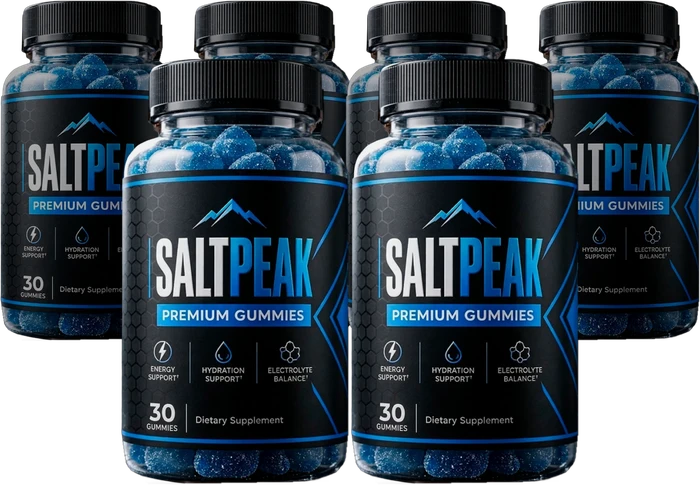
The Saltpeak bottle label reads "Electrolyte Balance" and "Hydration Support", and the formula includes sodium citrate dihydrate among its other ingredients, with 4 mg of sodium per gummy. Beyond that, the brand does not disclose individual amounts for its 82 mg proprietary blend, so we will not guess at them. What we can say is that Saltpeak is a once-daily chewable gummy meant to sit alongside your regular meals, not stand in for them. It has 10 calories, 3 g of total carbohydrate and 3 g of sugars per gummy, and its stated positioning is daily energy and routine support for men.
The directions are short: 1 gummy once daily, chewed thoroughly, without exceeding the recommended dose or combining it with other high-caffeine products. For a closer look at every component, see the Saltpeak ingredients page, and for how the routine is meant to work day to day, visit how Saltpeak works.
Grocery tips that keep it easy
A few habits at the store make the whole approach nearly automatic. Shop the edges of the market first, where produce, dairy and bulk bins tend to live, then dip into the middle for canned beans, oats and nuts. Buy fruit at different stages of ripeness so something is always ready to eat. Frozen vegetables are a perfectly good backup, since they keep for weeks and go straight into a skillet. Read labels when you are curious; sodium, potassium and calcium often appear on the nutrition panel, so you can see for yourself how everyday foods compare.
- Keep a bowl of fruit where you can see it.
- Cook a big pot of beans or lentils on Sunday and eat from it all week.
- Stash a bag of mixed nuts in the glove box or the gym bag.
Make it a routine, not a project
The nice thing about a food-first approach is how little there is to maintain. Keep a few staples stocked, rotate the produce, and pair the habit with the anchor you already use each morning. If you decide you want Saltpeak in that rhythm, the 6-bottle pack is the one most buyers watching the Saltpeak price compare first: $49 per bottle, $294 total, free shipping, 180 days of supply and five digital guides with instant access, including Everyday Energy Habits.
Head to the Saltpeak order page to pick your pack. Your purchase is backed by a 60-day money-back guarantee, a one-time payment and secure checkout. Prices are in USD, and your bank may convert them.